
05-03-2026
Server and Cloud Outages: How Can Businesses Avoid Total Operational Shutdown
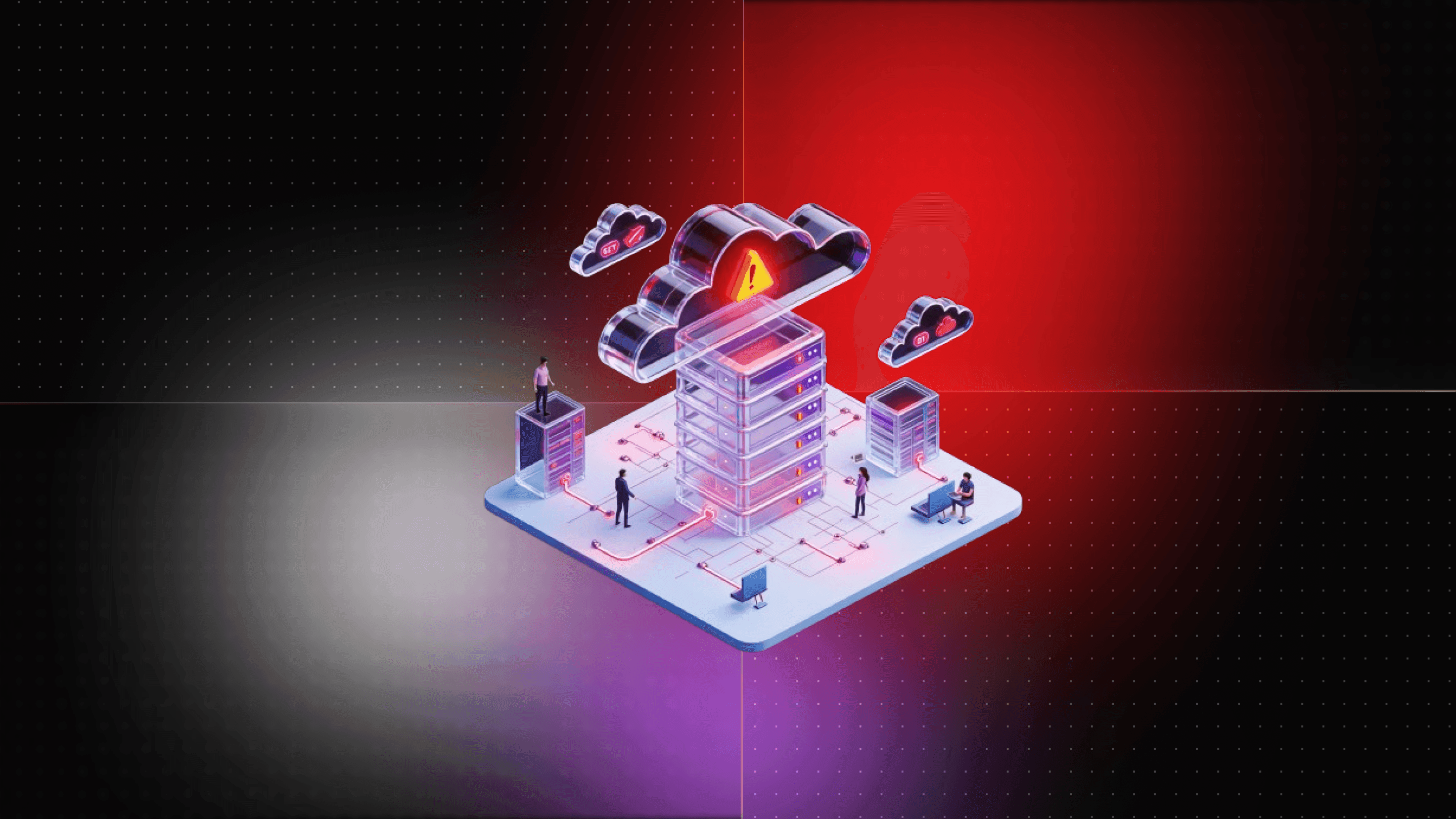
Server and Cloud Outages: How To Avoid Total Operational Shutdown
When a major cloud region serving the Dubai market recently experienced disruption, a large number of websites, applications, and internal systems across the country suddenly became unavailable.
For many businesses operating in the United Arab Emirates, operations slowed — and in some cases, stopped completely.
This was not just a technical inconvenience.
It was a business continuity wake-up call.
In a region known for digital-first services, smart infrastructure, and always-on customer expectations, the incident revealed a critical truth:
Using cloud infrastructure alone does not automatically make a business resilient.
This article explains:
- Why so many services in Dubai came to a standstill
- What architectural gaps caused widespread disruption
- How UAE businesses can design systems that continue operating even during cloud outages
What Happens When a Cloud Region Goes Down?
During a regional cloud disruption, businesses typically experience:
- Public websites failing to load
- Mobile apps unable to authenticate users
- Customer support systems becoming inaccessible
- Internal dashboards losing real-time visibility
From a customer’s point of view, the experience is simple:
“The service isn’t working.”
From a business point of view, the reality is more serious:
“We have no fallback.”
Why Did So Many Businesses in Dubai Go Offline at the Same Time?
The issue was not the cloud itself.
All infrastructure — cloud or on-premise — can fail.
The real problem was single-region dependency.
Most affected businesses shared the same underlying architectural weaknesses.
1. Single-Region Architecture
Many applications were deployed entirely within one geographic region, with:
- No secondary region available
- No automated regional failover
- No alternative routing strategy
When that region became unavailable, the entire service stack failed at once.
2. Hidden Single Points of Failure
Even systems that appeared distributed relied on:
- Centralized authentication services
- Region-specific APIs
- Single-region databases
When these components failed, every dependent service followed.
3. No Communication Layer During Downtime
When systems went down:
- Status pages were unavailable
- Support teams lost access to tools
- Customers received no updates
Silence increased confusion, frustration, and loss of trust.
The Key Lesson for UAE Businesses
High availability within one region is not the same as resilience.
In a globally connected market like Dubai — where logistics, finance, e-commerce, and travel operate continuously — regional outages must be treated as expected scenarios, not rare exceptions.
The real question is no longer:
“Can our systems stay up?”
But instead:
“Can our business continue operating when systems fail?”
How Businesses in Dubai Can Avoid Total Standstill During Cloud Outages
Below are practical strategies that UAE organizations can adopt to reduce disruption and maintain continuity.
1. Design for Multi-Region Resilience
What This Means
- Deploy applications across multiple geographic regions
- Use active-active or active-passive configurations
- Replicate critical data securely between regions
Why It Matters
If one region becomes unavailable, traffic is redirected automatically — without waiting for manual intervention.
Quick answer:
Businesses prevent downtime by using multi-region architecture with automated failover and replicated services.
2. Reduce Over-Dependence on Any Single Platform
Resilience does not require abandoning the cloud.
It requires:
- Avoiding tightly coupled, region-specific dependencies
- Abstracting infrastructure layers
- Designing systems that can adapt during disruptions
Key insight:
Vendor dependency becomes business risk during outages.
3. Build for Graceful Degradation
Instead of systems that completely fail:
- Enable read-only access when write operations are unavailable
- Cache essential data
- Keep customer-facing interfaces operational
This ensures users remain informed and partially served even during disruption.
4. Use AI for Early Detection and Automated Response
Traditional monitoring alerts teams only after failure occurs.
AI-driven systems can:
- Detect abnormal patterns early
- Predict cascading failures
- Trigger automated mitigation actions
- Execute predefined response playbooks
This reduces reaction time — one of the biggest contributors to outage impact.
5. Keep Communication Online with AI Chatbots
When backend systems fail, communication becomes the most critical service.
AI chatbots hosted independently can:
- Explain the situation clearly and calmly
- Provide real-time updates
- Capture customer requests for later processing
- Reduce pressure on human support teams
Even when operations pause, trust can still be maintained.
Quick answer:
Companies communicate during outages by using independent AI chatbots and external communication layers that remain available when core systems are down.
Shifting from Uptime Thinking to Resilience Thinking
| Traditional Thinking | Resilience Thinking |
|---|---|
| Focus on uptime | Design for failure |
| Single-region setup | Multi-region readiness |
| Manual incident response | Automated response |
| Silence during downtime | Proactive communication |
Why This Matters in Dubai and the UAE
Dubai operates as:
- A global logistics hub
- A regional headquarters for international firms
- A fast-moving digital economy
In this environment:
- Downtime directly impacts revenue
- Poor communication damages trust
- Slow recovery increases customer churn
Resilience is no longer optional — it is a competitive advantage.
Final Takeaway
Cloud outages will happen.
Regional disruptions are inevitable.
Total business standstill does not have to be.
Organizations that invest in:
- Resilient system architecture
- Intelligent automation
- Clear, continuous communication
are the ones customers trust — especially during disruption.
When systems fail, the businesses that remain visible, responsive, and prepared are the ones that endure.